 September 19, 2020 6 years ago leave a comment 770 Views Likes:

It is easy to wonder how they got into this situation or why they won’t break up, but blaming or making accusations will only make them defensive. And if they feel defensive, they are less likely to talk to you.
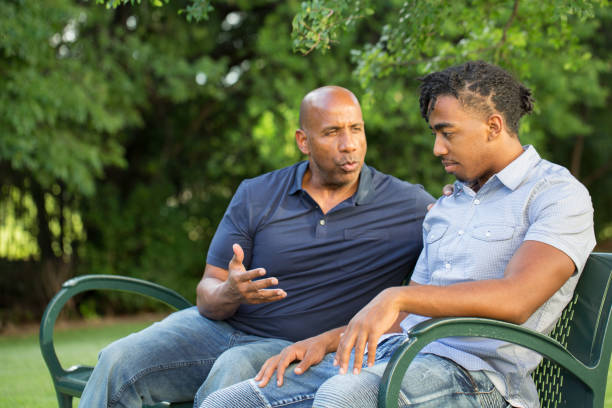
Teens may not believe they are in an abusive relationship. Continue to share your concerns and have open discussions with your teen.

Because of the manipulation that occurs in abusive relationships, your teen likely still feels very real emotions toward their partner. Listen to what they are saying and try to point out specific instances of abuse.

As parents, we always want our teens to understand that they are young and have their whole lives ahead of them. While this is true, teens live in the moment, and this advice can make them feel as though you don’t understand what they are going through.

Unlike adult abusive relationships, you can set boundaries on behalf of your teen. If you are going to do this, for example, don’t allow them to hang out with their partner outside of school, be honest and upfront with your teen. Tell them ahead of time what you are going to do and explain why.
Hello parents!
What are your thoughts on this?
Do you think your child can benefit from mentoring?
Tell us in the comment section below to see how we can help.